
The Science of Lacticil
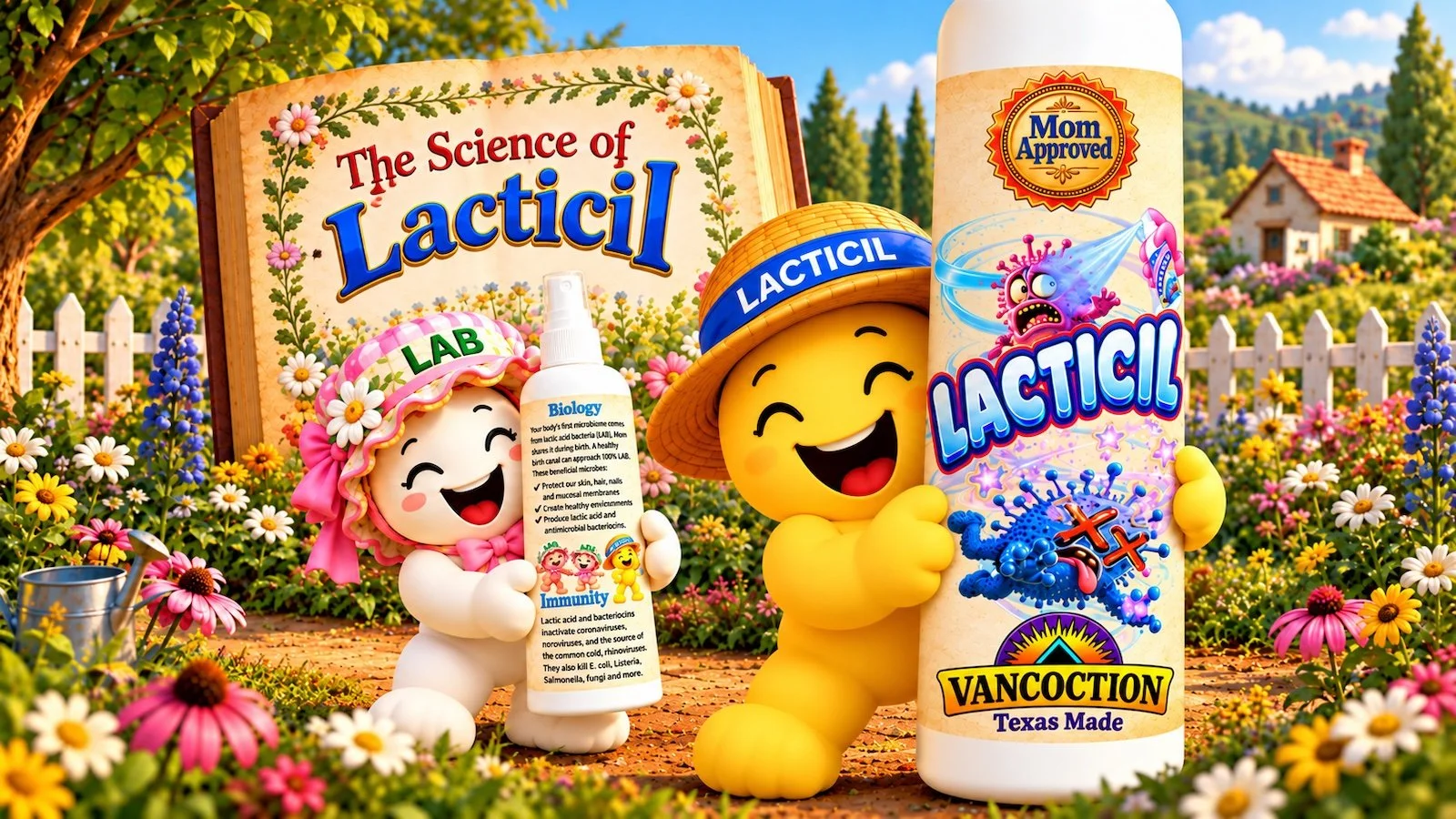
Get Your Microbiome Back to Baseline
Microbiomes are communities of microorganisms, or microbes, that live on and within the body. Trillions of these microbes inhabit the skin, digestive system, and the membranes that connect us to the outside world. They help digest food, regulate immunity, and protect us from infection and disease.
Our Microbiomes Are Our First Line of Immunity
Every day, microbes compete to colonize our skin, nose, mouth, gut, feet, and other surfaces. These are life and death battles for territory. Healthy microbial communities help prevent harmful pathogens from taking over.
Lactic Acid Bacteria (LAB) are the front line leaders of our defenses. They are designed to colonize all of our microbiomes at birth.
LAB help protect us by:
Producing lactic acid and bacteriocins that inhibit or kill susceptible pathogens.
Creating acidic environments that favor beneficial microbes.
Helping maintain microbial communities in which protective bacteria can thrive and reproduce.
These living communities contribute to the first line of defense of our skin and mucous membranes.
Modern Life and Our Natural Defenses?
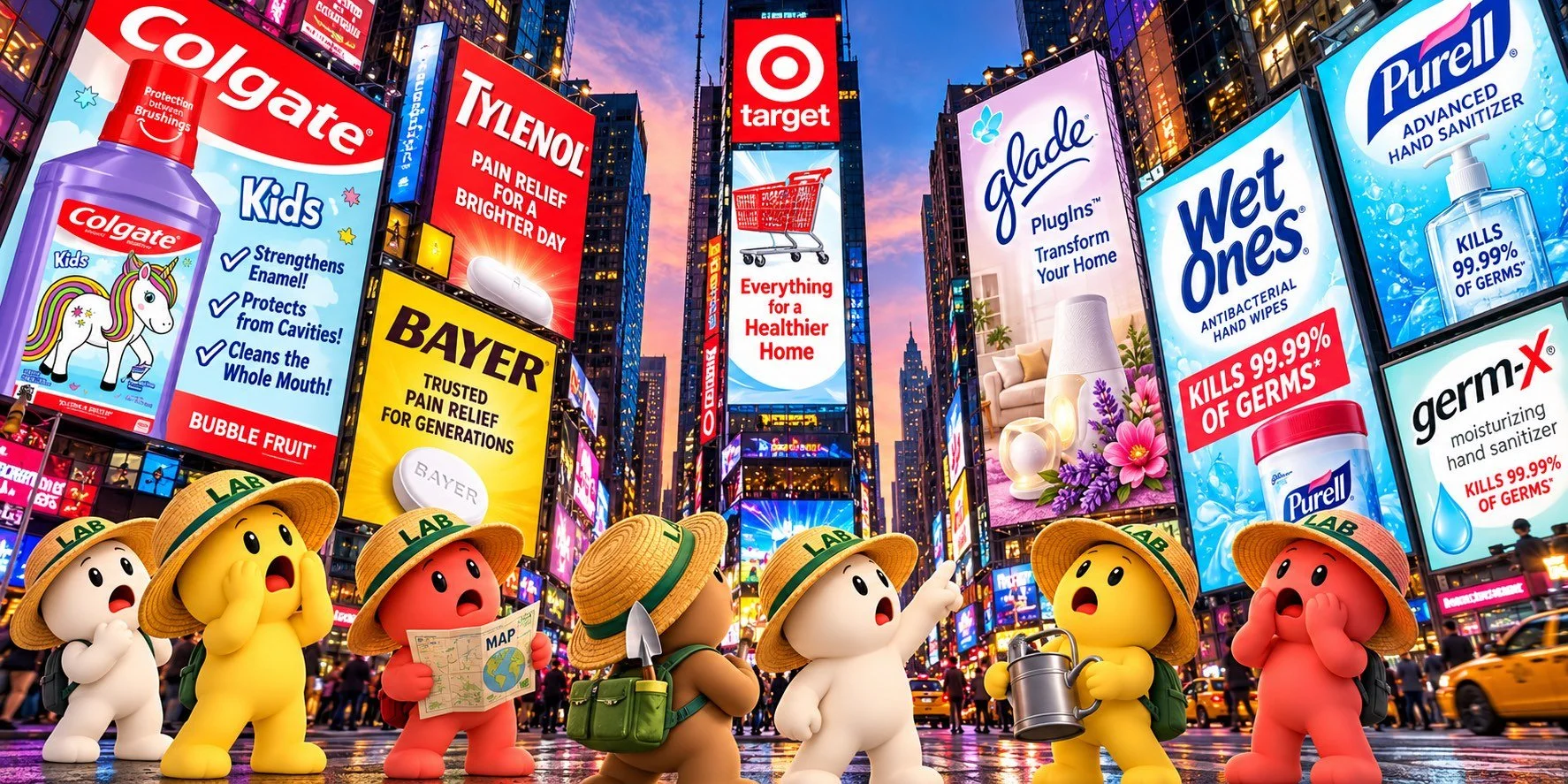
We've been taught to kill germs rather than nurture our microbiomes. Years of advertising and repeated messages can imprint these habits on us. Imprinting is the process by which repeated experiences and messages shape our beliefs and behaviors, often without our realizing it.
Frequent antibiotic use and constant disinfection, such as hand sanitizing, can interfere with the microbial communities and environments healthy living depends on.
Our microbiomes also encounter an expanding range of environmental substances: pesticides, insecticides, metals such as aluminum and mercury, microplastics, preservatives, industrial chemicals, formaldehyde in clothing, food additives, and fluoride in water, oral-care products, and pharmaceuticals.
Common everyday medications deserve the utmost scrutiny. A drug's intended benefit doesn't tell us everything about its effects on the rest of our bodies.
Many people are told to take aspirin to relieve pain, reduce inflammation, or help prevent heart attacks and strokes. The GI tract relies on a protective lining of mucus, natural chemical defenses, and beneficial microbes to maintain its health. Research has repeatedly demonstrated that aspirin can damage this protective lining and weaken our natural defenses.
Acetaminophen, sold as Tylenol, is responsible for tens of thousands of emergency room visits annually, primarily because of poisoning and liver injury. Research has also found that acetaminophen can alter gut microbial communities. Its effects may extend beyond the organs and symptoms we usually associate with the drug.
Our Mouth Bacteria Keep Us Healthy
Many beneficial bacteria in our mouths convert dietary nitrates into nitrites that our bodies can use to produce nitric oxide, an essential molecule involved in blood circulation, cellular energy regulation, and tissue repair.
Habitual use of strong antiseptic mouthwashes can reduce these nitrate-converting bacteria and interfere with this natural process. It's like using napalm when the objective should be to preserve a healthy living community.

What Can We Do?
Limit unnecessary exposures to microbiome-disrupting substances. Examine your habits. Think: nourish good bacteria, not nuke bad bacteria. Choose products that respect the natural chemistry of your skin. For example, goat's milk soap contains lactic acid.
Eat Fermented Foods
Fermented foods containing live cultures, such as sauerkraut and yogurt, can introduce beneficial microbes into our diets. Foods containing fermentable fibers, including onions, garlic, leeks, asparagus, beans, lentils, oats, bananas, and apples, help nourish beneficial gut bacteria.
Beneficial microbes produce compounds that help maintain the intestinal lining and communicate with immune cells. Fermentable fibers feed these microbes, allowing them to produce short-chain fatty acids that nourish intestinal cells and help regulate inflammation.
A healthy gut microbiome also helps prevent harmful microbes from establishing themselves, strengthening the intestinal barrier and supporting the immune system throughout the body.
Healthy Microbiome Acidity
The microbiomes throughout our bodies are constantly interacting with one another.
Healthy skin maintains a mildly acidic surface, generally around pH 4.5–5.5. This acidity helps maintain the skin barrier and influences which microbes can thrive. However, not every kind of acid is beneficial to our skin and microbiomes.
Other body surfaces have their own carefully regulated chemical environments. The inside of the nose has an acidity of about 5.5–6.5.
Touch a doorknob. Rub your face. Eat a potato chip. Pick your nose. Microbes travel with us through these everyday activities. When the skin's microbiome is healthy and its natural acidity is maintained, harmful microbes have a much harder time surviving and multiplying on our hands, reducing their chances of spreading to other parts of the body, including the nose.

Lacticil Supports Natural Defense
Lacticil is designed to support the mildly acidic, hydrated environment in which our skin's natural microbiomes function.
Lacticil has a target pH of about 4.0. Its lactic acid helps create an acidic environment that discourages susceptible pathogens while supporting the chemistry of the skin's natural protective barrier. Lactic acid also helps loosen dead surface cells and attract moisture, contributing to healthier skin conditions.
Lacticil's ingredients work together in six complementary ways:
Lactic Acid: Penetrates and kills susceptible pathogens, promotes exfoliation, and supports hydration.
Glycolic Acid: Loosens dead skin cells and accumulated keratin.
Glycerin: Attracts and retains moisture.
DL-Panthenol (Pro-Vitamin B5): Supports hydration and skin-barrier repair.
Zinc: Supports skin repair, immune function, and healthy tissue.
Sodium Hydroxide: Adjusts Lacticil's acidity to approximately pH 4.0.
Together, these ingredients help maintain a hydrated, acidic skin environment that supports the skin's natural protective barrier.
Extended Action
When the water in Lacticil evaporates, the lactic acid remains on the treated surface. Because lactic acid is water-soluble, it can dissolve again when exposed to moisture, reactivating its acidity.
Unlike alcohol or ammonia- and bleach-based cleaners, Lacticil isn't intended to sterilize everything. Its purpose is to support a healthy acidic environment, not eliminate all microbial life.
When a situation calls for disinfection or sterilization, use a product specifically intended for that purpose instead of Lacticil.

Examples of Lacticil in Action
When I was visiting my mother at her nursing home, I made a habit of using Lacticil on my hands before I went in and when I left. We keep a bottle in the car. We use it every day.
Use Lacticil rather than hand sanitizer.
Recent reports from our customers show improvements in the following:
Acne: Cutibacterium acnes can contribute to inflammation within clogged hair follicles. Lactic and glycolic acids help loosen accumulated dead skin cells. Lactic acid can also inhibit susceptible bacteria, while glycolic acid helps clear the buildup that contributes to clogged pores.
Body Odor: Skin bacteria break down sweat components into odor-producing compounds. Changing the skin's environment can influence this activity. Lactic acid lowers surface pH, which can inhibit the activity and growth of certain odor-producing bacteria.
Dermatitis and Eczema: A weakened skin barrier and microbial imbalance can contribute to irritation. Staphylococcus aureus is frequently associated with eczema flare-ups. Lactic acid has demonstrated antimicrobial activity against susceptible S. aureus, while glycerin and panthenol help hydrate and support the skin barrier.
Fungal Skin Problems: Fungi, including dermatophytes and certain yeasts, can thrive under favorable conditions. Acidity can inhibit susceptible fungi. Lactic acid has demonstrated antifungal activity against certain species, while maintaining an acidic skin surface can make conditions less favorable for their growth.
Pet Hot Spots: These inflamed skin lesions often involve bacterial overgrowth, frequently including Staphylococcus species. Lactic acid's antibacterial properties and the moisturizing effects of glycerin and panthenol offer possible explanations for the improvements customers have reported.
Psoriasis: An inflammatory condition involving accelerated skin-cell turnover. Changes in skin microbial communities may also accompany the condition. Lactic and glycolic acids can help loosen accumulated surface scales, while glycerin and panthenol support moisture retention and skin-barrier comfort.
Vaginal Irritation: Vaginal LAB help maintain an acidic environment that discourages certain harmful microbes. Disruption of that environment can contribute to irritation and microbial imbalance. Lactic acid is one of the natural compounds responsible for this protection, inhibiting susceptible organisms and helping maintain an environment favorable to beneficial LAB.
The objective is simple: Give our body's first line of defense the conditions it needs to do its own job.
In Stock Now - Lacticil — Get Your Microbiome Back to Baseline.
https://www.vancoction.com/store/p/lacticil
Learn More
Lactic Acid Bacteria and our Microbiome Gardens
How do we protect ourselves from disease? How do we prevent pathogenic bacteria, fungi, parasites, and viruses from infecting us?
→ Immunity and our First Line of Defense: Growing Healthy Microbiomes
The Birth of Living Cells
Life began when nature learned to capture energy and contain it. Explore how electron transfer and membranes made cells—and ultimately all living things—possible.
→ The Origins of Life: Electron Transfer & Membranes
Nutrients Of The Estuary
What we use and where to find it. A straightforward list of foods and nutrients that support membranes, movement, and the balanced conditions the body is built to maintain.
→ Natural Sources: Natural Nutrients
Cellular Aging & Phospholipids
Cell membranes are constantly repaired, replaced, and rebuilt throughout life. Explore how phospholipids support membrane structure, signaling, renewal, and the body’s ability to maintain healthy tissues.
→ Reverse Aging: Cell Renewal
Conditions Improved Through Better Membrane Health
What happens when the body has the materials it needs to build and maintain healthy membranes? Explore the wide range of conditions and body systems affected when membrane health improves.
→ Conditions Improved: A Comprehensive List